




BLOG
Is a Portable Generator Enough for Florida Hurricanes?
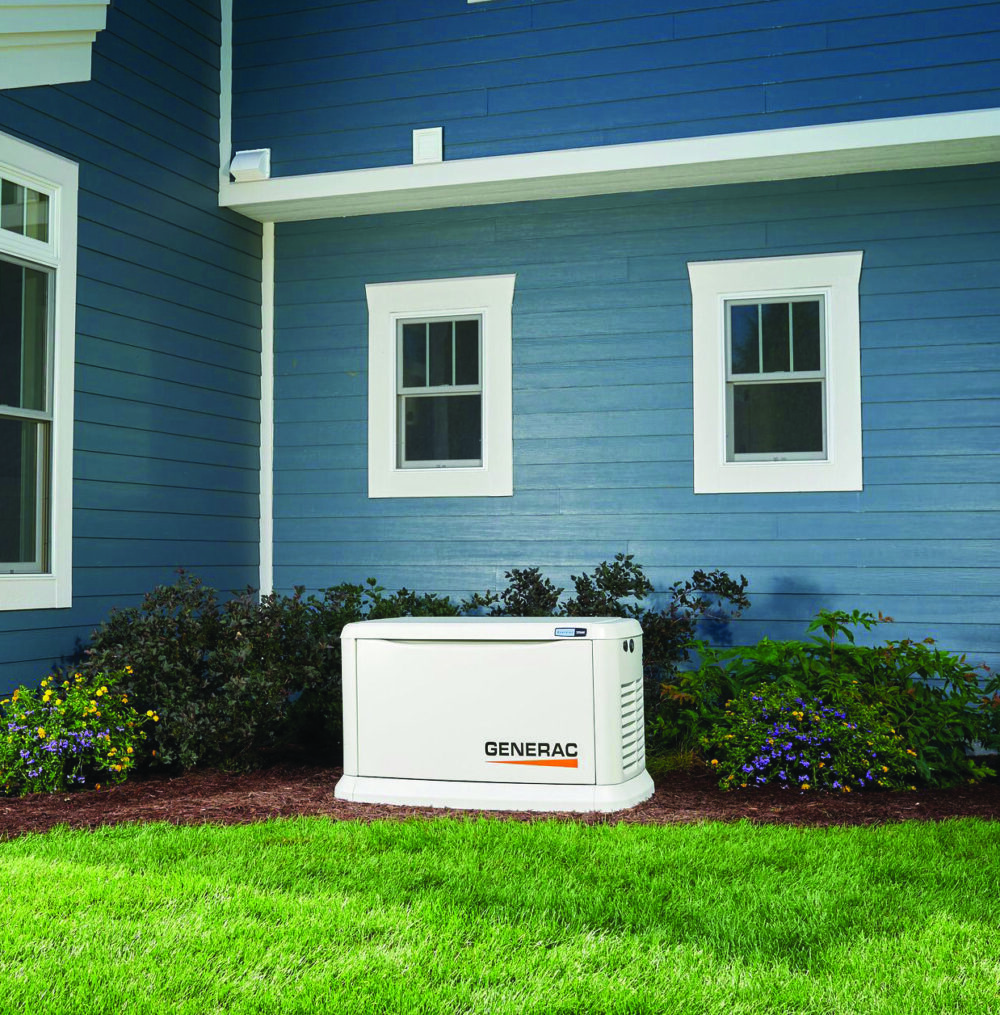
When a hurricane threatens the Space Coast, one of the first things homeowners reach for is a generator. For many, that means a portable unit already sitting in the garage. It's a reasonable starting point. But whether it's actually enough depends on what you're trying to power, how long the outage lasts, and how comfortable you are managing fuel mid-storm.
What Can a Portable Generator Actually Power?
Most portable generators sold for home use produce between 3,000 and 8,500 watts, enough to keep the essentials running during a short outage:
- Refrigerator: Keeps food from spoiling through a multi-day outage
- Lights: A few LED fixtures or lamps throughout the house
- Phone and device chargers: Critical for communication and weather updates
- Window AC unit: Possible on a higher-wattage portable, though not guaranteed
- Small appliances: A box fan, coffee maker, or portable radio
What most portable generators cannot handle is central air conditioning. A standard central AC system requires significant starting surge power, often more than a portable can deliver, plus substantial running watts to keep going.
In Brevard County, where heat index readings routinely top 100°F in summer and humidity stays above 75%, losing central AC for multiple days becomes a real health concern, particularly for older adults, young children, and anyone with medical conditions affected by heat.
Limitations of Portable Generators During Hurricanes
Even a well-sized portable generator has real constraints when a storm actually hits:
- Manual setup: You have to deploy it before or during dangerous conditions, run extension cords, and connect appliances yourself
- Fuel dependency: A 5,000-watt generator burns roughly half a gallon to three-quarters of a gallon per hour under a moderate load. After a major storm, gas stations in Rockledge, Sebastian, and surrounding communities often face supply shortages or long lines for days
- Fuel storage limits: Pre-storm gas storage is constrained by safety and shelf life. Treated gasoline stays usable for about a year, but most homeowners don't store more than 10–20 gallons
- Noise: Portable generators are loud, which matters considerably if an outage stretches across multiple days
- Weather exposure: They must run outdoors, which creates real challenges during ongoing rain and wind
Taken together, these limitations don't make a portable generator useless. But they do mean it requires active management at exactly the moment you have the least bandwidth for it.
Safety Risks to Understand Before Using One
Portable generator misuse causes preventable deaths in Florida every year after major storms.
These are the risks worth knowing before you need the generator:
- Carbon monoxide poisoning: CO is colorless, odorless, and lethal. A generator must run well away from any door, window, or vent — never inside a garage, even with the door open. Install CO detectors on every floor of your home and near sleeping areas; battery backup matters when the grid is down
- Backfeeding: Plugging a generator directly into a wall outlet can send electricity back into the grid, creating a deadly hazard for utility workers. A generator should connect through a transfer switch, not directly to your home's wiring
- Extension cord overload: Use only heavy-duty, outdoor-rated cords sized for the load; undersized cords overheat and can start fires
- Wet conditions: Keep the generator under a covered, open-air structure, and never operate it in standing water
One more thing worth noting: when grid power returns after an outage, voltage spikes are common during restoration. If your home doesn't have surge protection in place, that moment carries real risk to appliances and HVAC equipment.
How Long Do Power Outages Typically Last in Florida?
A brief tropical storm passing offshore might knock out power for a few hours to a day, manageable with a portable generator and a modest fuel supply. But when a major storm makes landfall nearby, it’s a much different story.
Hurricane Ian made landfall on Florida's southwest coast in 2022 as a Category 4 storm. In the hardest-hit communities around Fort Myers and Lee County, tens of thousands of customers remained without power for more than a week; some areas faced even longer timelines where flooding had damaged infrastructure too severely for quick repair.
The Space Coast faces different geography, but the underlying lesson applies: the more severe and direct the storm, the longer the outage, and the harder fuel resupply becomes. In Satellite Beach, Cocoa Beach, and other coastal Brevard communities where flooding can compound infrastructure damage, restoration timelines typically run longer than they do inland.
When outages stretch past three or four days, fuel management becomes the central challenge of portable generator operation.
When a Portable Generator Is Enough
A portable generator is a solid option under the right circumstances.
It may be sufficient if you:
- Only need to preserve food, charge devices, and run a few lights
- Are prepared to manage fuel storage and resupply logistics before the storm
- Don't rely on medical equipment that requires continuous power
- Can tolerate heat or have alternative cooling options for multi-day outages
- Are primarily concerned with shorter-duration outages from tropical storms rather than direct hurricane strikes
For homeowners in that category, a portable generator in good working order, paired with a proper transfer switch and adequate fuel storage, is a reasonable level of preparedness.
When a Whole-Home Standby Generator Makes More Sense
A whole-home generator operates on a fundamentally different model. It connects to your home's natural gas or propane supply, starts automatically within seconds of an outage, and runs your entire home, central AC included, without any manual setup or trips for gasoline.
The practical advantages during a prolonged Space Coast outage are significant:
- Automatic startup: No deployment required; it starts the moment the grid goes down, including at 2 a.m. during the storm
- Central AC capability: Keeps the house livable through Florida's summer heat and humidity
- No fuel logistics: Natural gas supply isn't disrupted the way gasoline availability is in the days following a hurricane
- Permanently installed and weatherproof: Professionally installed to code, including Florida's wind-load requirements for hurricane zones
- Built-in transfer switch: Eliminates backfeeding risk from the start
Standby generators represent a larger upfront investment. But for households that work remotely, rely on medical equipment, or have experienced a multi-day outage firsthand, the comparison to a portable often becomes straightforward.
Portable vs. Standby: A Quick Comparison
Here's how the two options stack up across the factors that matter most during a Florida hurricane:
| Portable Generators | Standby Generators | |
|---|---|---|
| Setup | Manual | Automatic |
| Power capacity | Partial home | Whole home |
| Fuel source | Gasoline | Natural gas / propane |
| Central AC | Typically no | Yes |
| Fuel resupply during storm | Required | Not required |
| Safety risk | Higher (CO, backfeed) | Lower (professional install) |
| Upfront cost | Lower | Higher |
Schedule a Generator Consultation on the Space Coast
If you're weighing your options before hurricane season, Ellington is a Generac authorized dealer serving Rockledge, Sebastian, Edgewater, and Satellite Beach. Schedule online or call (321) 222-0605. You can also contact us online with questions about storm preparedness.
Schedule Online