




BLOG
How Can I Improve My Indoor Air Quality?
If your home feels stuffy, smells musty, or leaves family members sneezing more than they should, your indoor air quality may be the issue. On Florida's Space Coast, sealed homes running air conditioning nearly year-round and persistently high humidity create conditions where pollutants build up faster than most homeowners expect.
The Short Answer: How to Improve Indoor Air Quality
You can improve your indoor air quality by controlling pollution sources, ventilating your home, filtering the air, and keeping humidity in check. The most effective steps: change your HVAC filter regularly, upgrade to higher-MERV filtration, add an air purifier or UV light, and use a dehumidifier to hold humidity between 30% and 50%.
According to EPA research, indoor air is often two to five times more polluted than outdoor air. For Space Coast homeowners, Ellington AC & Electric can assess your home and identify the specific causes.
What Affects Indoor Air Quality?
Common indoor pollutants include dust, pollen, pet dander, mold and mildew, volatile organic compounds (VOCs) from cleaning products and paints, and smoke.
Excess humidity ties many of these problems together. When relative humidity climbs above 50%, it encourages mold growth, feeds dust mites, and produces the musty odors common in coastal Florida homes.
Space Coast households face a compounding problem: homes here run AC 10 to 11 months out of the year, so windows stay closed and the same indoor air circulates continuously. Without adequate filtration and humidity control, pollutants concentrate instead of dispersing.
Signs your IAQ may need attention:
- Persistent allergy flare-ups or congestion that eases when you leave the house
- A musty or stale smell that cleaning doesn't fix
- Visible dust buildup on surfaces within days of cleaning
- Headaches or fatigue that improve when you're outside
9 Ways to Improve Your Indoor Air Quality
Most homes benefit from combining several of these steps.
- Change HVAC filters regularly: In most Space Coast homes, standard 1-inch filters should be checked monthly and replaced every 30 to 60 days. The extended cooling season here puts far more hours on your filter than the generic "every 90 days" advice assumes.
- Upgrade to a higher-MERV filter: A MERV 8 filter handles basic dust and pollen. For homes with pets or allergy sufferers, a MERV 11 filter captures finer particles like dander and mold spores. MERV 13 is the right choice for severe allergies or asthma; just confirm your system's airflow specs before upgrading, since denser filters restrict airflow on older equipment.
- Control humidity with a dehumidifier: Keeping indoor humidity between 30% and 50% discourages mold and dust mites. For a Florida home running AC year-round, a whole-home dehumidifier integrated with your HVAC system is more reliable than a portable unit.
- Ventilate when conditions allow: Fresh air dilutes indoor pollutants. On low-humidity days, typically cooler winter mornings on the Space Coast, opening windows briefly helps. During summer, outdoor humidity usually makes this counterproductive.
- Clean ducts and vents: Duct systems accumulate dust, mold spores, and debris over time, especially in older homes or after renovation. On the Space Coast, salt air accelerates corrosion on evaporator coils, and a corroded or fouled coil recirculates what it can't clean. Professional air duct cleaning removes built-up contaminants that your filter can't catch once they've settled into the system.
- Add an air purifier or UV light: Whole-home air purifiers with HEPA-grade filtration remove fine particles from the air stream. In-duct UV lights work at the coil: they kill mold and biological growth before it gets recirculated, which is a common source of musty odors in humid climates.
- Reduce pollution sources: Choose low-VOC paints, cleaners, and adhesives. Avoid indoor smoking. Source control is the most effective IAQ strategy because removing a pollutant beats filtering it after the fact.
- Vacuum with a HEPA-equipped vacuum and dust regularly: Fine particles that settle on surfaces get re-suspended into the air with foot traffic. A HEPA-filtered vacuum prevents this during cleaning.
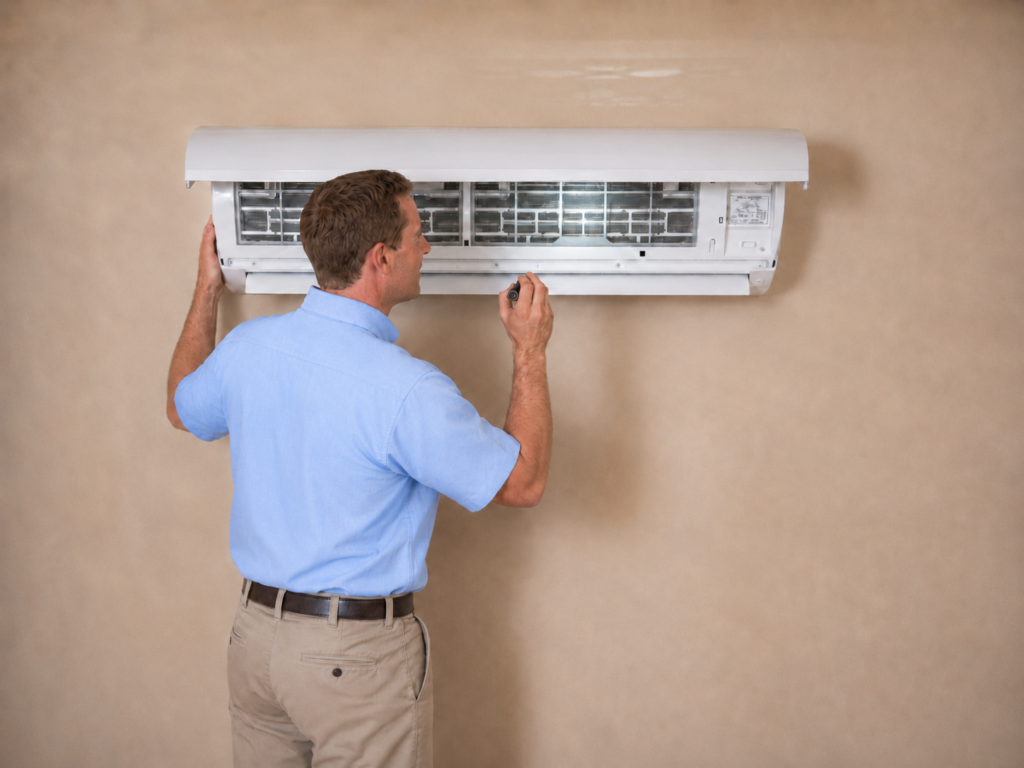
- Keep up with regular AC maintenance: A dirty evaporator coil or clogged condensate drain doesn't just hurt efficiency; it can actively worsen indoor air quality. Twice-yearly AC maintenance keeps the system running cleanly and catches IAQ-related issues before they become bigger problems.
If persistent symptoms, visible mold, or high humidity readings remain after taking these steps, a professional IAQ assessment is the right next move.
Set the Right Humidity: Especially in Florida
The ideal indoor humidity level is between 30% and 50%, which keeps your home comfortable while discouraging mold, dust mites, and musty odors. On the Space Coast, indoor humidity often climbs too high even when the AC is running, particularly if the system is oversized and short-cycles before completing a full dehumidification pass.
A whole-home dehumidifier integrated with your HVAC system is the most reliable fix. Ellington AC & Electric installs and sizes them for homes throughout Brevard and Indian River counties.
A humidity monitor (hygrometer) is a cheap first step. If you're regularly seeing readings above 55% indoors, it's worth a call.
IAQ Solutions Compared: Filters, Purifiers, UV Lights, and Dehumidifiers
For most homes, the best way to clean the air combines filtration, purification, and humidity control. A high-MERV filter traps particles, an in-duct UV light kills biological growth on the coil, and a whole-home dehumidifier keeps moisture in the 30–50% range where mold can't easily take hold.
Here's how each solution stacks up:
| Solution | What It Does | Best For | Type |
|---|---|---|---|
| High-MERV filter | Traps fine dust, pollen, dander | Allergies, general dust | HVAC filter upgrade |
| Air purifier | Removes particles and some pathogens | Allergens, smoke, germs | Add-on or portable |
| UV light (in-duct) | Kills mold and biological growth on AC coil | Musty smell, mold, germs | HVAC add-on |
| Whole-home dehumidifier | Lowers humidity to 30–50% | Florida humidity, mold, dust mites | HVAC-integrated |
| Duct and vent cleaning | Removes built-up dust and debris | Dusty air, post-renovation | Periodic service |
Ellington can assess homes in Rockledge, Edgewater, Sebastian, and Satellite Beach and recommend the right combination based on your home's layout, system age, and specific air quality concerns.
Breathe Easier: Contact Ellington AC & Electric
Ellington AC & Electric serves homeowners across the Space Coast with air purifier and UV light installation, whole-home dehumidifiers, duct and vent cleaning, and AC maintenance. Not sure where to start? A professional assessment will pinpoint what's actually driving the problem in your home.
Call (321) 222-0605 or schedule online to book a visit from a NATE-certified technician in Rockledge, Edgewater, Sebastian, or Satellite Beach.
Schedule Online
Frequently Asked Questions
How do I know if my indoor air quality is poor?
Common signs include persistent allergy symptoms, a musty or stale smell, frequent dust buildup on surfaces, and congestion or headaches that ease when you leave the house. Visible mold or condensation on walls, windows, or vents is a more serious indicator that warrants prompt attention.
How often should I change my HVAC filter?
For Space Coast homes running AC most of the year, check standard 1-inch filters monthly and plan on replacement every 30 to 60 days. Homes with pets or allergy sufferers should lean toward the shorter end. Thicker media filters (4 to 5 inches) are designed to last longer; follow the manufacturer's guidance or ask your technician at your next maintenance visit.
Do air purifiers really work?
Yes, when properly sized and equipped with HEPA-grade filtration. They remove airborne particles like dust, pollen, and dander effectively, and work best alongside good HVAC filtration and humidity control. A purifier alone won't compensate for a dirty coil or high indoor humidity.
Can poor indoor air quality affect my health?
Yes. Poor IAQ can worsen allergies and asthma and cause headaches, fatigue, and respiratory irritation. People who spend most of their time indoors are most exposed. Fixing the source of the problem is what produces lasting improvement; treating symptoms without addressing the cause just keeps the cycle going.
Does my AC improve indoor air quality?
A well-maintained AC filters air and removes humidity, both of which support better IAQ. The problem is when the system itself is dirty: a fouled coil, clogged drain, or dusty ductwork can push pollutants back into the air stream. Regular maintenance is what keeps the AC working in your favor.