




BLOG
How Often Should I Service My Home Generator in Florida?
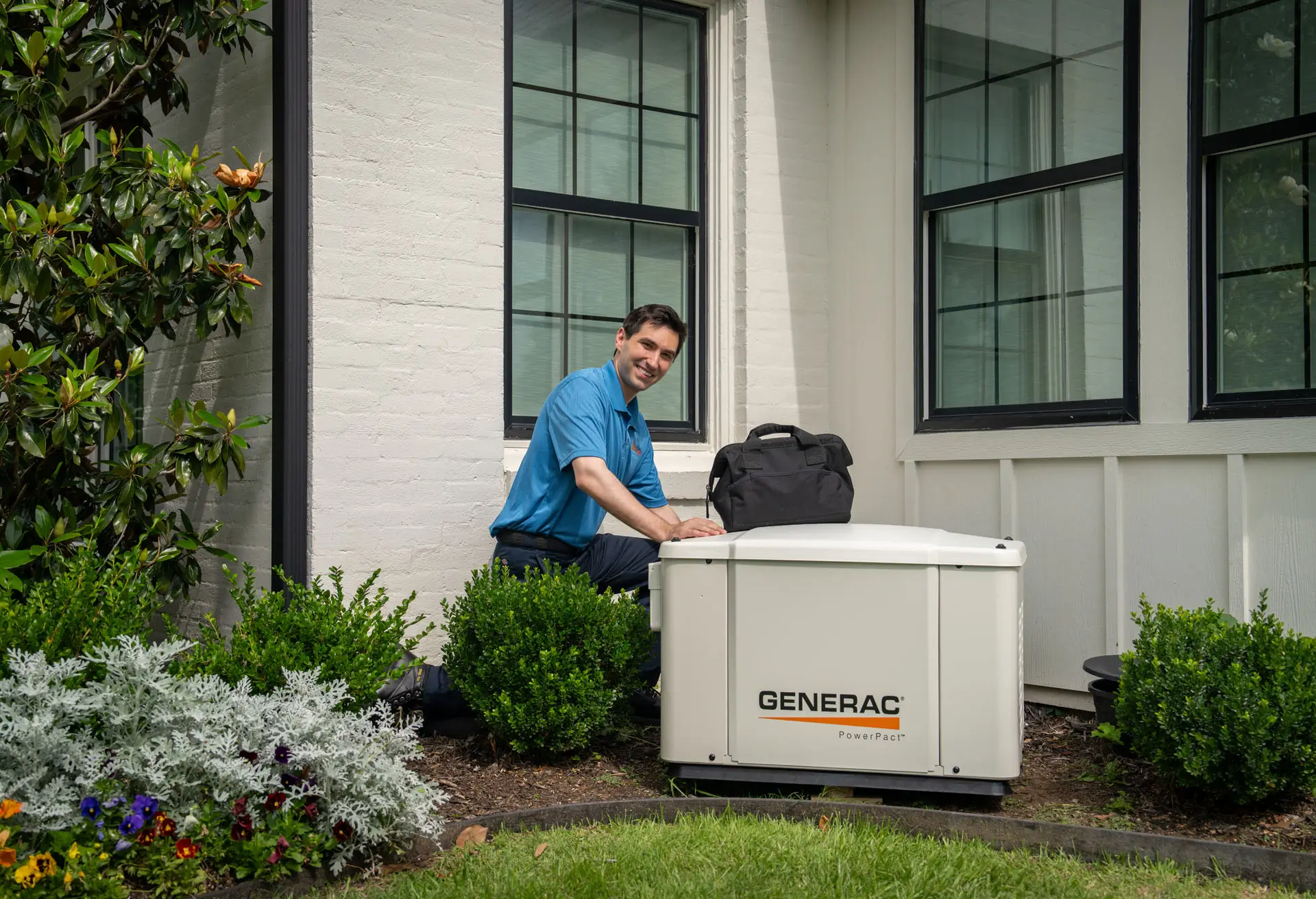
In Florida, a standby generator is more than a convenience; it’s how many homes stay powered through hurricanes, summer thunderstorms, and surprise outages.
To keep that backup power ready, your generator needs regular, planned maintenance on a schedule that fits both the manufacturer’s guidelines and our storm‑heavy climate.
Why Generator Service Frequency Matters in Florida
Florida’s heat, humidity, and frequent outages put more stress on generators than many other regions. Engines work harder in high temperatures, moisture can affect electrical connections, and repeated starts during brief power blinks all add up over time.
Because Florida sees intense storms and longer outages than many other states, regular generator service is a key part of preparing for hurricane season.
When that maintenance is skipped, the weak points usually make themselves during an outage: batteries that can’t start the unit, clogged filters that cause shutdowns, or transfer issues that leave your home in the dark when the grid fails.
General Generator Maintenance Guidelines
Most home standby generators need a full service at least once a year, with extra maintenance if they’ve run for long stretches during outages. In Florida, that yearly visit matters more because long, hot seasons and storm‑related run time can shorten the life of oil, filters, and other wear parts.
For the most reliable answer, check your owner’s manual. Each model has a maintenance chart based on time and run hours, and sticking to that schedule is the best way to keep your generator ready when the power goes out.
Manufacturer Recommendations for Standby Generators
Most standby generator makers base their maintenance schedules on both time in service and total run hours.
Generac, for example, calls for a break‑in service at about 25 hours of run time, which includes a full oil and oil filter change, and then ongoing maintenance at set hour or yearly intervals. The exact timing (how often oil, filters, spark plugs, and other items are changed) depends on your specific model, how much it runs, and the environment it’s in.
The maintenance table in your owner’s manual is the most reliable guide for your unit; using that schedule as your baseline, and moving service up if your generator runs heavily during storm season, is far better than guessing or waiting until something fails.
How Usage Impacts Service Timing
Two generators of the same model can need service at different times, depending on how much they run. A system that only exercises once a week and sees an occasional short outage might be fine staying close to a standard yearly plan. By contrast, a generator that carried your home through a multi‑day hurricane‑related outage will rack up run hours much faster.
A simple approach is to follow the manual’s time and hour guidelines, then treat any long outage where the generator ran for many hours or days as a reason to move maintenance up sooner instead of waiting for the calendar date.
What Happens During a Generator Service Visit
A good service visit should leave you confident that your generator will start, take the load, and run safely when the grid fails. Technicians look at both the engine and electrical sides, checking for wear, leaks, corrosion, and anything that could prevent the system from working during an outage.
Many visits also include routine replacement services plus a detailed inspection of components that tend to fail or drift out of adjustment over time, such as batteries, wiring connections, and control electronics.
Oil Changes, Filters, and Fluid Checks
Like any engine, your generator depends on clean oil and filters.
During service, technicians typically:
- Drain and replace engine oil.
- Replace the oil filter and check or replace the air filter.
- Inspect fuel filters and lines, if applicable.
- Verify coolant level and condition on liquid‑cooled models.
Staying current on engine oil and filters helps prevent premature wear and overheating, especially when the generator has to run for extended periods.
Battery Testing and Electrical Inspection
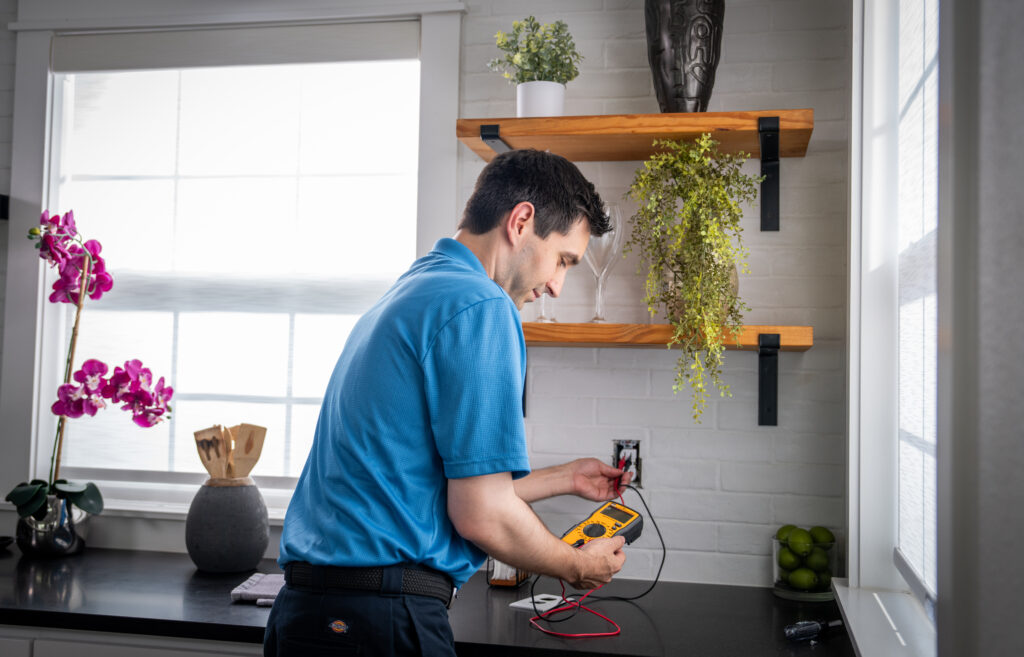
Many standby generator failures trace back to the battery. A weak battery may not show up until the unit tries to start in an outage, which is the worst time to find out.
A service visit usually includes:
- Testing the battery’s voltage and its ability to hold a load.
- Cleaning and tightening battery terminals.
- Checking visible wiring, connections, and control boards for corrosion or damage.
These checks reduce the chances of a “no‑start” situation just when you need the generator most.
Load Testing and System Checks
Beyond visual inspection, technicians also verify that the generator can handle real‑world demand.
A thorough generator inspection often includes:
- Running the generator under load to confirm it can carry the home’s essential circuits.
- Confirming the transfer switch operates correctly and switches power smoothly.
- Watching for abnormal noises, vibrations, smells, or error codes while the system is running.
This kind of generator load testing helps ensure the unit doesn’t just start, but actually performs under stress.
How Florida’s Climate Changes Maintenance Needs
Florida’s environment adds a few extra concerns for generator owners.
In coastal areas, salt air corrosion can attack metal parts, mounting hardware, and electrical connections faster than you might expect. And throughout Florida, persistent humidity still contributes to rust and can affect sensitive electronics over time.
Generators running in hot, enclosed spaces also have to work harder to stay cool, which can shorten the life of components and fluids.
That’s why standby generator service in Florida often includes:
- Extra attention to rust, corrosion, and paint or coating condition.
- Making sure vents and louvers are clear so the unit can cool properly.
- Checking that seals and gaskets are intact to help keep moisture out.
Accounting for these climate factors helps your generator stay reliable each and every storm season.
When to Schedule Generator Service Each Year
The best time to think about generator maintenance is before outages start, not when storms are already in the forecast.
For most Florida homes, a simple plan is:
- Schedule a main service visit once a year, ideally in late spring before hurricane season begins.
- Add a follow‑up visit or extra maintenance if the generator runs for many hours during a major outage.
This timing supports both everyday readiness and long‑term reliability.
Pre-Hurricane Season Maintenance
Spring is a smart time for a full generator tune up Florida homeowners can rely on.
A pre‑season visit lets a technician:
- Complete routine maintenance and safety checks.
- Confirm that automatic starting and transfer functions are working.
- Address any small issues before they become problems during a summer or fall storm.
You go into hurricane season knowing your backup power has been checked recently, rather than hoping it will work.
After Long Power Outages or Extended Run Time
If your generator runs for long stretches, such as during a multi‑day hurricane‑related outage, it deserves attention afterward. Extended run time uses up oil, stresses components, and can bring any weak parts close to failure.
After a significant event, it’s a good idea to:
- Have oil levels, filters, and basic engine health checked.
- Ask for an inspection focused on signs of overheating, vibration damage, or leaks.
Treating long outages as a trigger for extra service helps your backup power systems stay ready for the next event.
Signs Your Generator Needs Immediate Service
Even with a regular schedule, your generator may tell you it needs help sooner. Watch for:
- Warning lights, error codes, or fault messages on the control panel.
- Slow cranking, repeated failed starts, or no start at all.
- Unusual noises, vibrations, or smells while running.
- The generator starting, but your home not transferring to backup power.
- Visible leaks, corrosion, or damaged wiring around the unit or transfer switch.
If you notice any of these, it’s wise to pause manual testing and schedule professional electrical repair before the next storm.
Can You Maintain a Generator Without Professional Service?
There are useful checks homeowners can do, but they don’t replace professional maintenance.
On your own, you can:
- Keep the area around the generator clear of debris and vegetation.
- Look for obvious damage, rust, or loose panels.
- Check the display for alerts or upcoming maintenance reminders.
- Listen during the regular exercise cycle for new or unusual sounds.
Tasks like full oil changes, detailed electrical checks, valve adjustments, and formal load testing are best left to trained technicians. That balance lets you stay involved without taking on work that could affect safety or reliability.
Scheduling Generator Service in Florida
If you depend on a standby generator to get you through Florida’s storm season, regular service is one of the simplest ways to make sure it’s ready when you need it. A consistent maintenance plan keeps the generator prepared to start, transfer power, and run as long as the outage lasts.
When you’re ready to make sure your generator is ready for storm season, schedule service online with Ellington or give us a call, and we’ll set up a convenient time to go through a full inspection and tune‑up.
Schedule Online